Patanjali Solar Panels talk is spreading fast among poor and middle-class families because everyone wants the same thing in 2026: a lower electricity bill without monthly tension. When solar is marketed as “cheap and made for common people,” buyers immediately start calculating daily units and payback time. The realistic way to judge it is simple—how many units your home consumes daily, how much sunlight your roof gets, and what system size you are actually buying. If the system is sized properly, solar can genuinely cut a big chunk of the bill, even if viral claims sometimes sound too perfect.
Design and Build Quality
For any solar brand, build quality is more than the panel—installation quality decides your real savings. A strong mounting structure is important because wind, rain, and summer heat can loosen weak frames over time. Proper wiring, tight connectors, safe inverter placement, and correct earthing protect the system and reduce breakdown risk. Poor families especially need a setup that runs quietly for years without repeated service calls, because even small repair costs can break the “bill saving” logic. A clean installation also improves performance by reducing losses and overheating.
Installation Cost and Daily Output Reality
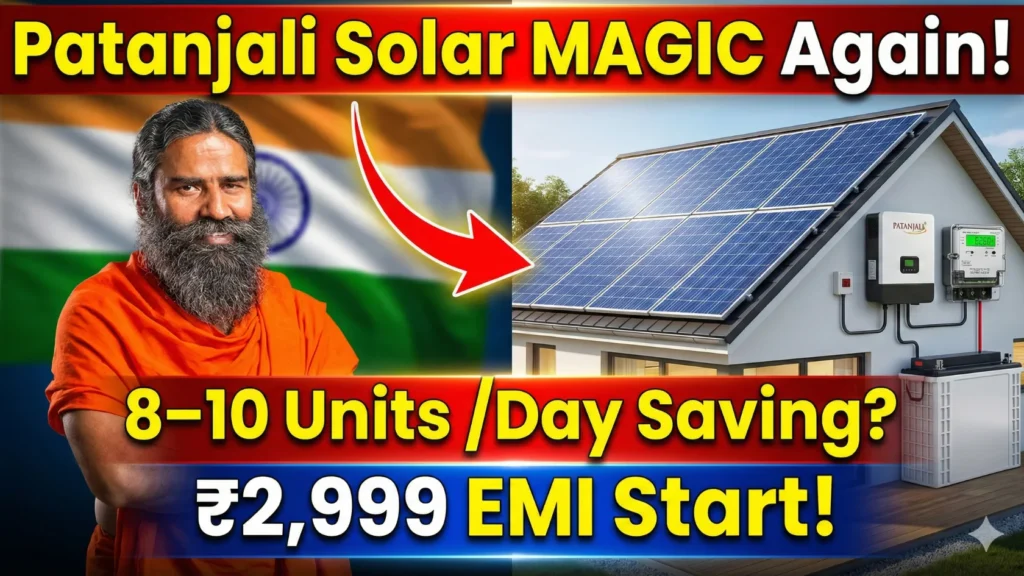
A practical “starter solar” for homes is usually 1kW to 3kW. If we talk about a 2kW system, it can realistically generate around 8–10 units per day in good conditions, assuming 4–5 peak sun hours and typical losses. Cost often lands around ₹55,000–₹70,000 per kW depending on inverter type, structure quality, wiring, and net-metering work. That means a 2kW setup can start near ₹1.1–₹1.4 lakh before subsidy in many markets. Output will be lower during cloudy days and monsoon months, so families should expect a daily range, not one fixed perfect number.
Subsidy and Savings Logic
Subsidy is the biggest reason solar becomes “possible” for middle-class and poor households. When subsidy applies, the upfront price drops and the payback becomes faster. Savings depend on your bill pattern—if a home uses 8–12 units daily, a 2kW system can cover a large part of that in sunny months. If usage is higher due to AC or heavy appliances, a bigger system is needed for meaningful relief. The smartest approach is matching the system to your monthly units so the savings feel consistent and predictable.
Features and Safety Features
A safe solar setup should include proper earthing, MCB protection, surge protection, and an inverter with overload safety. Net metering is a key feature where available because extra units can be exported to the grid, reducing the final bill further. Monitoring through an app or generation display is also important for poor families, because it helps detect problems early—dust build-up, shading, or wiring faults can reduce output quietly. Strong warranties and service support matter because solar is a long-term product, not a short-term gadget.
Price, EMI, and What to Confirm Before Paying
If the installed price after subsidy comes down, EMI becomes the easiest path for poor households. For a 2kW setup, EMI can often sit around ₹2,999–₹5,499 per month depending on tenure, interest rate, and down payment. Before finalizing, families should confirm three numbers clearly: total system size in kW, expected daily units range for their city, and the all-in installed price including inverter, mounting, wiring, and paperwork. Once these are clear, Patanjali solar becomes simple monthly math—and that is what makes it attractive for poor and middle-class homes.