Hero Vida V1: Middle-class parents compare EV scooters with one strict filter: daily school, tuition, and office travel must run on predictable monthly cost. Hero Vida V1 gets checked because the numbers match city family use. A 143Km range figure means 25Km daily riding can run for 5.7 days on paper, and an 80Km/h top speed fits flyovers and ring roads without feeling weak. The ₹3,499 EMI line matters because parents want a fixed monthly plan that feels lighter than petrol spending across the month. This comparison is less about hype and more about whether the scooter stays stable, easy to charge, and easy to service.
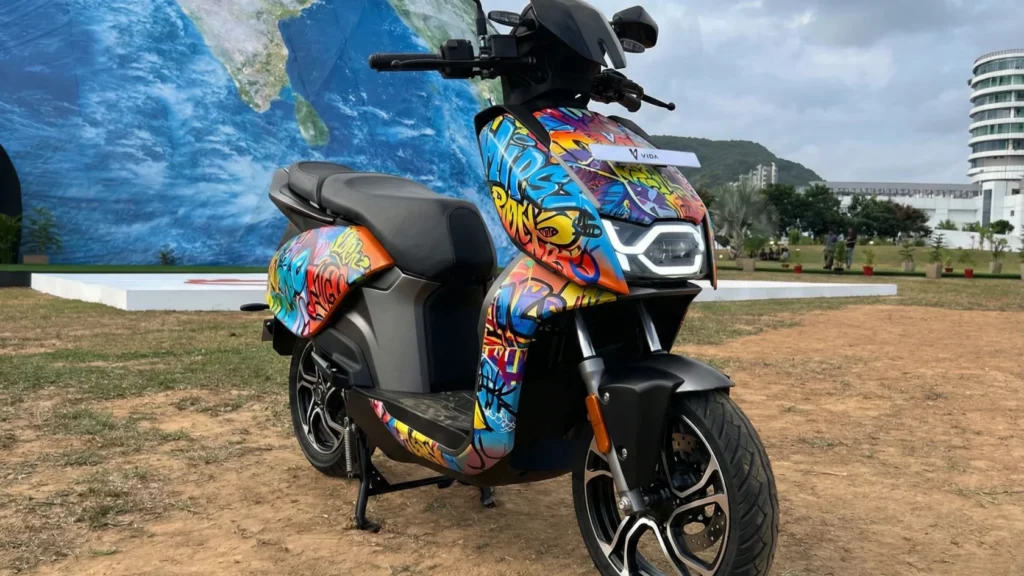
Strong Family Use Build
A parent-focused scooter is judged on stability, seat comfort, and how it behaves with a pillion. Frame strength and suspension tuning matter because potholes and speed breakers are daily reality in Indian cities. Floorboard space must handle school bags, and the seat must stay comfortable for two adults. Water resistance matters for monsoon commuting, and battery housing protection matters for rough patches. Braking feel and tyre grip decide confidence, because parents care more about controlled stops than quick acceleration.
Range And Charging Reality
The 143Km range claim sets the weekly charging routine. At 20Km per day, it equals 7.1 days per charge, and at 35Km per day it equals 4.1 days. Real-world range depends on speed, rider weight, tyre pressure, traffic, and riding mode, so a practical band of 110–143Km fits mixed city use. Charging convenience matters because many parents charge at home. A normal socket overnight routine works best, and a predictable full charge time helps families plan daily travel without sudden range anxiety.
Performance For Daily Roads
An 80Km/h top speed is positioned for city plus short ring-road usage. The real performance test is pickup from 0–50Km/h and stability at 55–70Km/h, because that is where school and office rides happen. Smooth throttle mapping matters because jerky response feels unsafe for beginners. Braking confidence matters because EV weight changes stopping distance, and tyre grip matters on wet roads. A family scooter wins when it feels planted with a pillion and stays calm over broken patches.
Features And Safety Focus
A practical display showing speed, battery percentage, and remaining range in Km is essential for parents planning daily rides. Riding modes help manage range, and LED lighting improves visibility during early morning school drops. Safety expectations include stable tyres, strong braking hardware, and CBS at minimum, with ABS as a premium benefit if offered. Warranty clarity on battery and motor matters because those are the highest-value parts. Service coverage in local areas matters because parents need quick repairs, not long downtime.
Price And EMI Shock
Hero Vida V1 is expected to be priced between ₹1.20 lakh and ₹1.45 lakh depending on variant. EMI can start at ₹3,499 per month on a 48-month plan with a ₹25,000 down payment, while a higher variant can sit near ₹3,999 EMI with a ₹30,000 down payment on the same tenure. With electricity at ₹8 per unit and a 3.2kWh full charge cost of ₹25.6, a 110–143Km real-use range gives running cost around ₹0.18–₹0.23 per Km, which keeps it far below petrol and explains why middle-class parents treat this as manageable monthly commute math.